By Our Correspondent
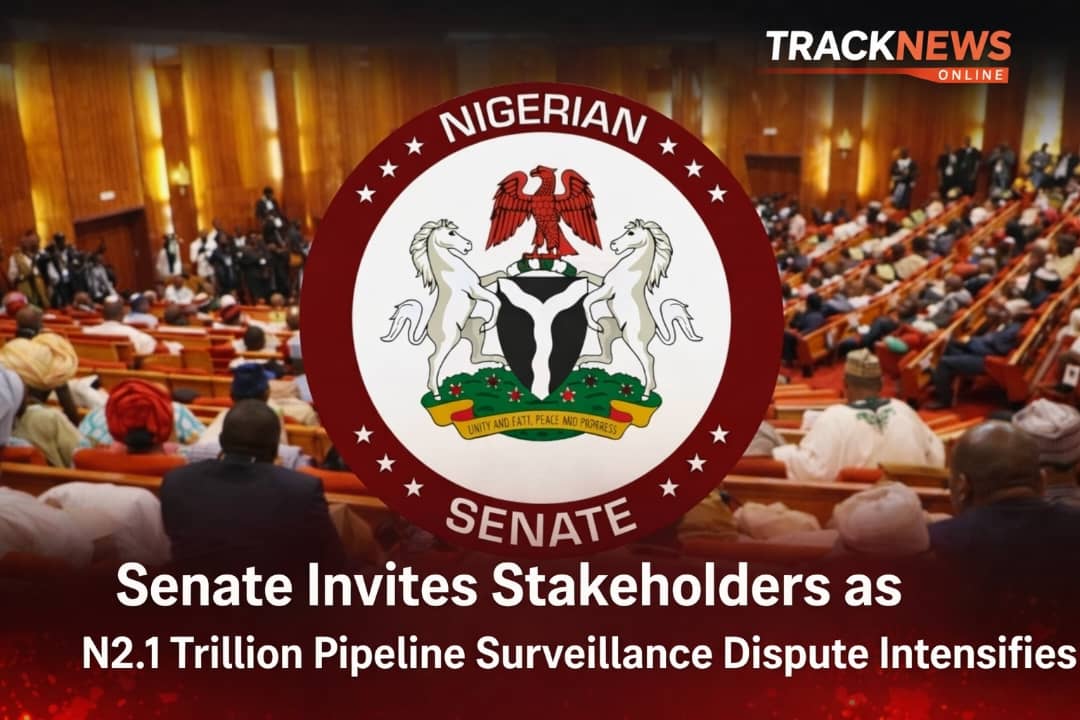
Nigeria’s Senate has invited key stakeholders to address the growing dispute over the controversial N2.1 trillion pipeline surveillance contract.
The move follows protests and criticisms from activists and community groups who say the current system lacks transparency and excludes local participation in the Niger Delta.
The invitation, issued by the Senate leadership, comes after demonstrators gathered at the National Assembly last week, demanding a more inclusive and decentralized approach to pipeline security.
One of the invitees, activist Fejiro Oliver, confirmed he will attend the session. He described the invitation as a positive step, though delayed, adding that stakeholders are ready to present their concerns to lawmakers.
The engagement, organized by the Joint Senate and House Committees on Petroleum Resources, will hold at the Old Chamber of the House of Representatives and will be broadcast live.
Lawmakers are expected to review the current pipeline surveillance structure, assess its successes and challenges, and explore better ways to curb crude oil theft and improve production.
Critics argue that the existing arrangement concentrates huge financial benefits in the hands of a few operators, leaving out host communities who are directly affected by oil activities.
Oliver warned that ignoring these concerns could increase tension in the region.
He suggested that involving local communities more in pipeline security would improve accountability and reduce conflict.
The issue has sparked wider debate, with some calling for greater community control, while others caution against policies that could destabilize the region.
The Niger Delta, known for its history of unrest over resource control and environmental issues, remains sensitive to such developments.
The Senate says the roundtable is aimed at opening dialogue and finding lasting solutions. The outcome of the meeting is expected to shape the future of pipeline security and oil production in Nigeria.