By Patrick Esi
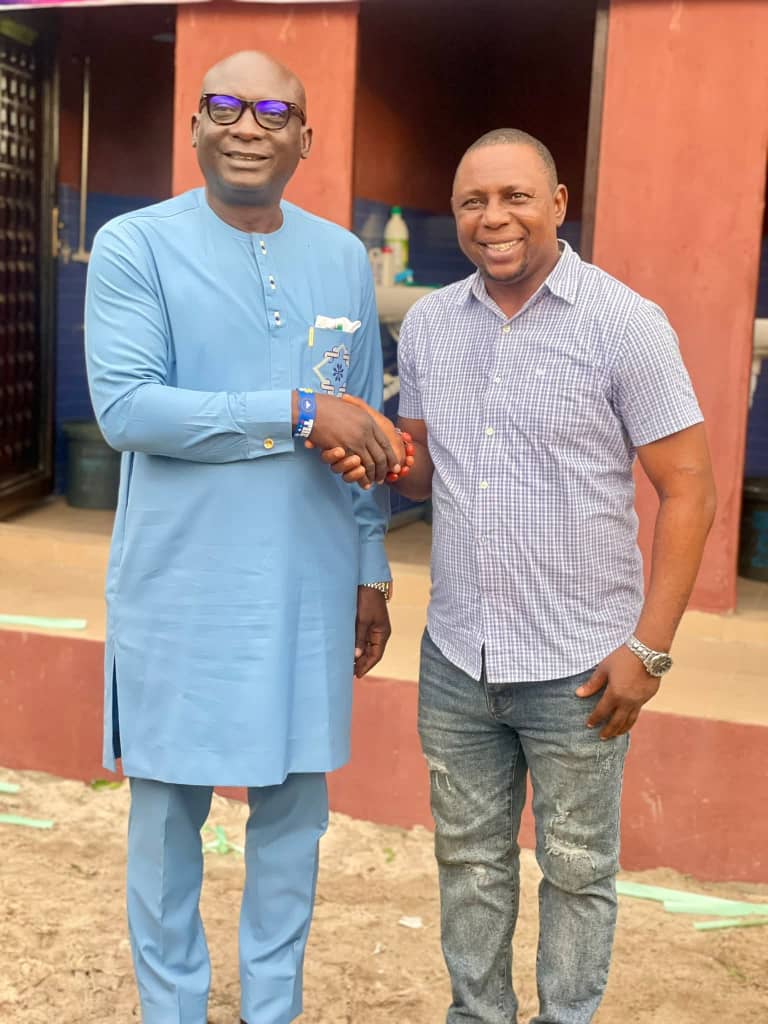
There was excitement and celebration in Ovu community, Ethiope East Local Government Area of Delta State, as the council chairman, Hon. (Chief) Augustine Usinefe Ogedegbe JP, commissioned a new toilet and borehole facility at Ovu Market.
The project was carried out by the councillor representing Ward 17, Hon. (Chief) Sunday Akpobi, as part of efforts to improve the living conditions of the people.
Speaking at the event, Hon. Akpobi thanked the council chairman for his support, noting that the project would not have been possible without his encouragement.
He described the facility as part of the administration’s plan to bring development closer to the grassroots.
He said the project was carefully chosen to meet the needs of the people, especially traders in the busy Ovu Market.
“Before now, many councillors had little to show, but under this administration, we are delivering real projects to our people.
This facility will help stop open defecation and improve hygiene in the market,” he said, community leaders also expressed their appreciation.
Speaking on behalf of the elders, Chief Solomon Obieh described the project as timely and beneficial, thanking both the chairman and the councillor for their efforts.
Chief Mrs. Obaghwarhe Ovie also commended the initiative, saying the facility would greatly help market women and visitors.
In his remarks, Hon. Ogedegbe praised Hon. Akpobi for identifying a key need in the community and taking action.
“As big as this market is, it lacked basic facilities like water and toilets. This project is very important, especially for women who need privacy,” he said.
He assured the people that more development projects would be brought to the area and urged them to take ownership by protecting and maintaining public facilities.
The event ended with the official commissioning and handover of the project to the Ovu community.
Dignitaries present included the Vice Chairman, Hon. Mrs. Patience Ejoh; Leader of the Legislative Arm, Rt. Hon. Emojeya Emmanuel; council officials, traditional leaders, party members, and residents of the community.