In today’s political space, many leaders win support by sharing food items, cash, and other gifts with their constituents.
While these gestures bring quick relief and excitement, a different approach is quietly gaining attention—one focused on long-term empowerment rather than short-term giveaways.
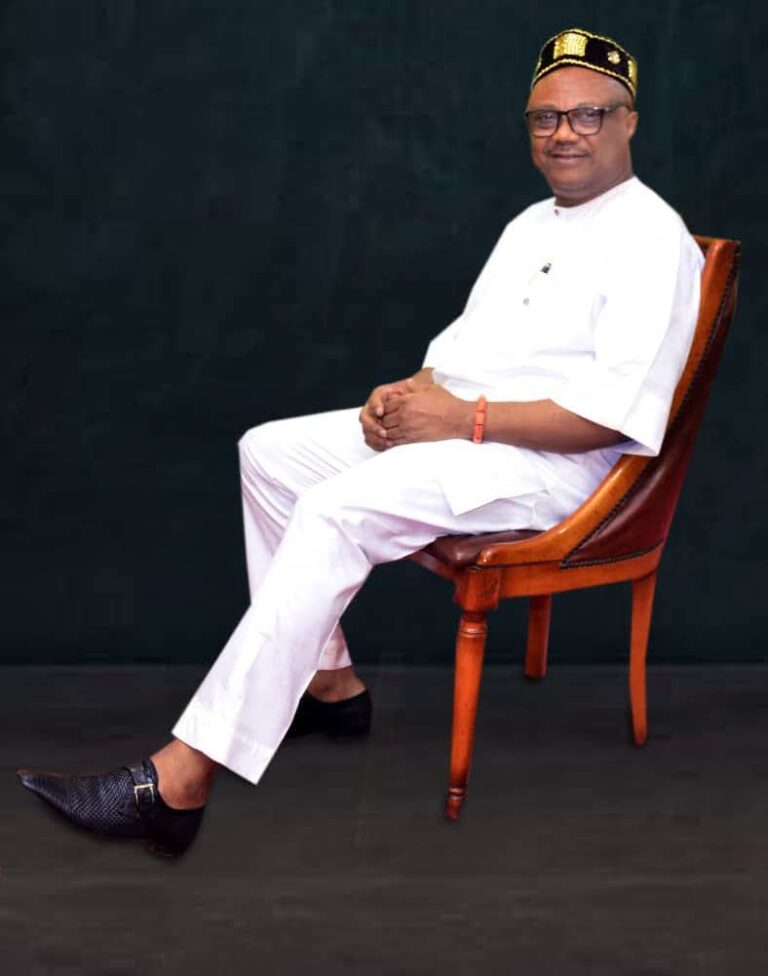
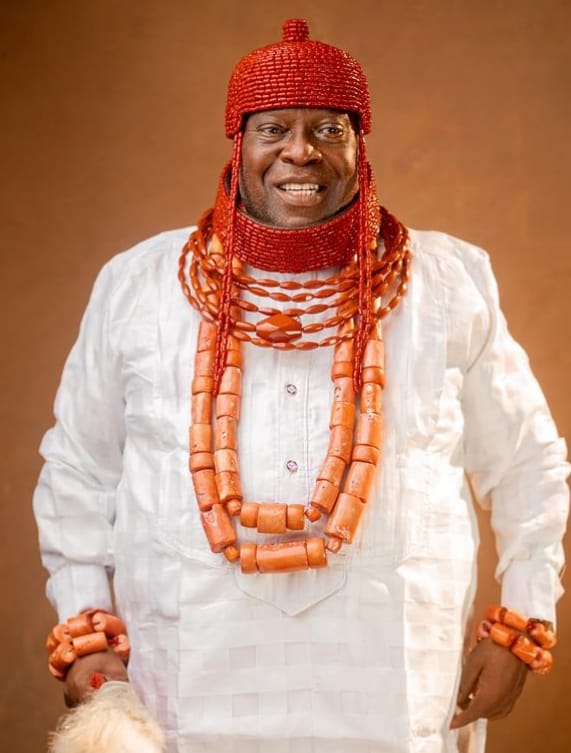
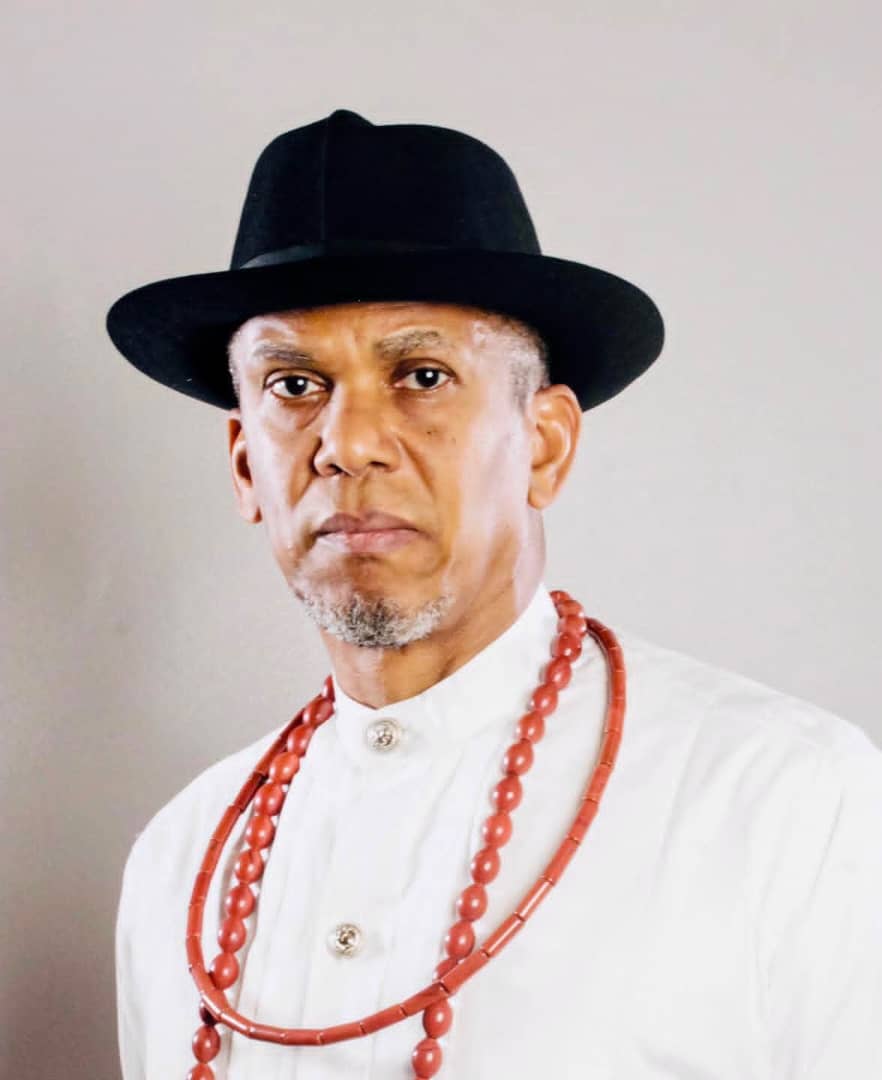
Senator Ede Dafinone is being highlighted for choosing to invest in people instead of handing out temporary support.
Rather than distributing “fish,” he focuses on teaching constituents how to “fish” for themselves through skills, opportunities, and sustainable development.
This method, though slower and less flashy, aims to reduce dependency and build lasting economic strength.
Supporters say it involves investing in education, vocational training, small businesses, and policies that help people grow and succeed on their own.
However, handouts still play an important role, especially in times of hardship.
For many struggling families, immediate assistance can provide much-needed relief.
But critics argue that relying only on such giveaways can create a cycle where people keep depending on politicians for survival.
Ede’s model seeks to break that cycle.
By equipping people with skills and access to opportunities, communities can become more independent, productive, and self-reliant.
Analysts describe this as the difference between “relief” and “development.” While relief solves urgent problems, development builds a stronger future.
Residents are now being encouraged to think beyond short-term benefits and ask deeper questions: What lasting impact is being made? What opportunities are being created?
The debate continues, but one message is clear—leaders who empower people may leave a more meaningful legacy than those who only provide temporary support.
The choice for voters remains simple: quick help today or lasting progress for tomorrow.